





The Rising Trends & Market Demands of Smart Small Home Appliances
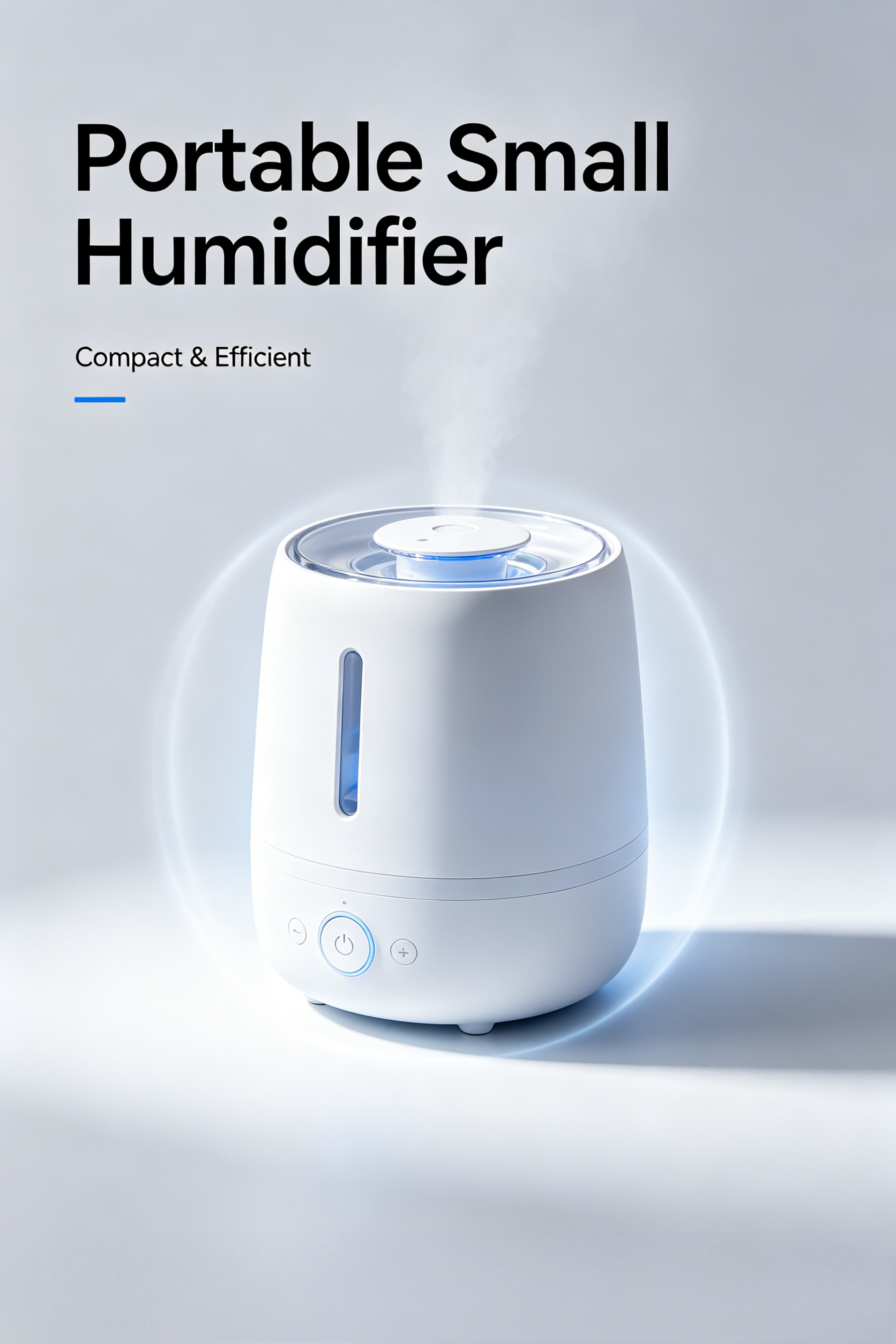
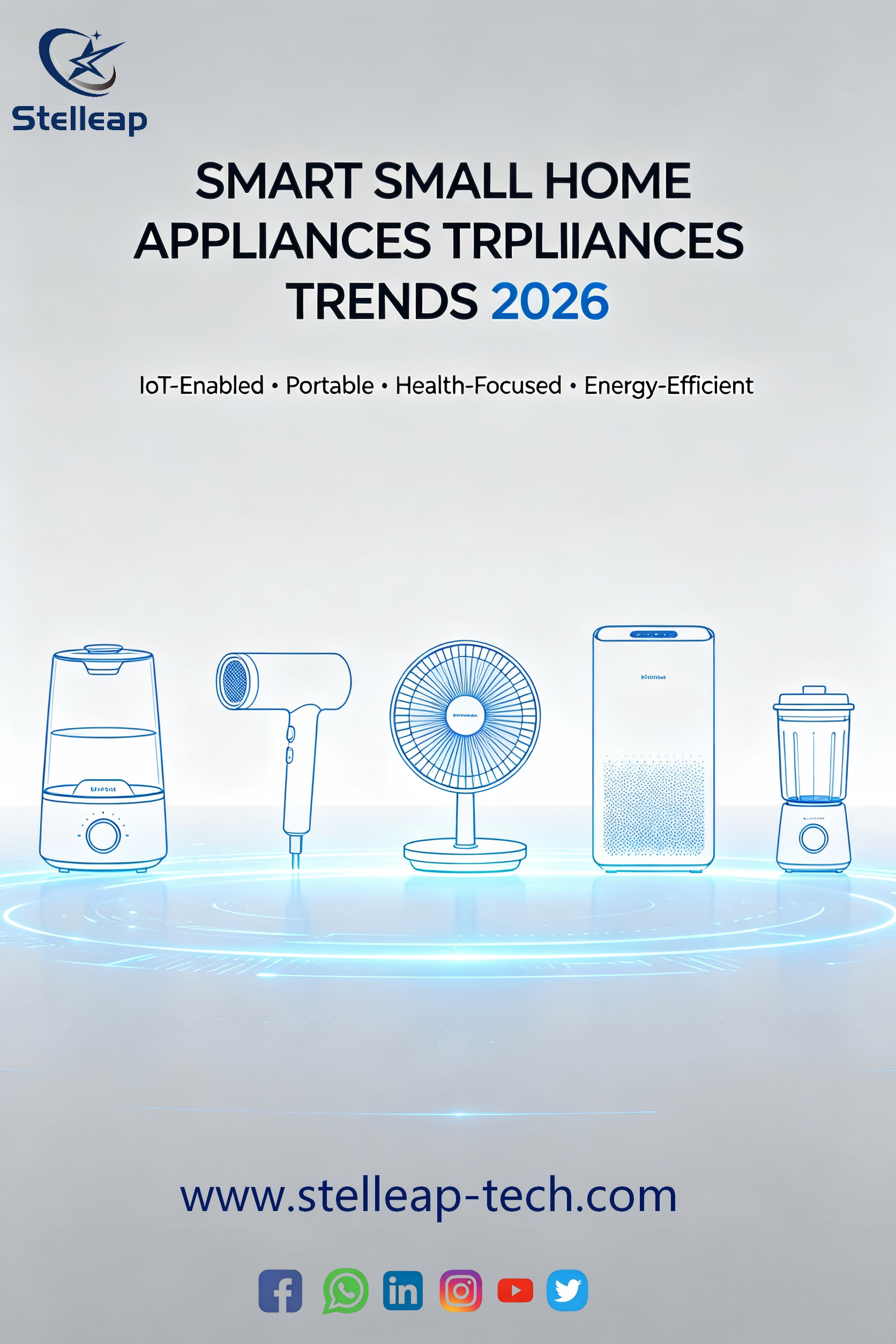
In the global home appliance sector, smart small home appliances, portable smart home gadgets and IoT‑enabled mini household devices have emerged as one of the fastest‑growing segments, reshaping consumer lifestyles and cross‑border market landscapes. Driven by IoT smart home technology, changing living patterns, and rising health awareness, smart small home appliances—including handheld smart vacuum cleaners, ultrasonic smart humidifiers, portable electric blenders, high‑speed ionic hair dryers, smart shoe dryers and mini air care appliances—are evolving from optional gadgets into essential daily items. For brands operating cross‑border independent stores, grasping current industry trends and real‑world market demands is vital to capturing long‑term competitive advantages in the global smart home market.
The most prominent industry trend is the deep integration of IoT connectivity and humanized intelligence. Traditional small appliances only provide basic functions, while modern smart products adopt Wi‑Fi, Bluetooth and cloud control systems, enabling remote adjustment, automatic mode switching, scheduled operation and real‑time status monitoring via mobile applications. Supported by mature IoT platforms such as Tuya, even small‑batch manufacturers can launch stable smart functions at lower costs. Consumers no longer merely pursue basic usability; they value personalized automation, remote convenience and data‑driven operation experiences, which have become core purchasing standards for young households worldwide searching for smart daily‑use home appliances.
Portable design, miniaturization and multi‑functional smart home devices have become rigid market requirements. With the rapid growth of single‑person families, urban renters and compact‑space living in Europe, North America and Southeast Asia, bulky home appliances are gradually being phased out. Lightweight, space‑saving and easy‑to‑store smart small appliances perfectly match modern minimalist lifestyles. Multi‑purpose designs, such as blenders that serve as portable water cups and multi‑scene hair dryers for home and travel use, effectively improve product added value. Global buyers increasingly favor practical products that balance compact size and diverse functions, especially suitable for apartments, dormitories and office use, fueling demand for space‑saving smart small appliances.
Sustainability, energy‑efficient smart appliances and low‑noise performance are another critical development direction. As global environmental awareness rises and regional energy‑saving regulations tighten, consumers prefer low‑power‑consumption, eco‑friendly and safe smart devices. Intelligent power‑saving modes, auto‑standby systems and energy‑efficient motors reduce household electricity costs, while recyclable materials and low‑noise operation enhance user comfort. Meeting international green certifications and energy standards not only expands market access but also strengthens brand credibility for independent‑station sellers focusing on eco‑friendly home gadgets.
Health‑focused smart features are driving surging market demand. Post‑pandemic consumers pay unprecedented attention to household hygiene and personal wellness. Products with sterilization, antibacterial and air‑purifying functions—such as UV‑sterilizing smart humidifiers, antibacterial vacuum nozzles and deodorizing shoe dryers—gain strong market popularity. Young consumers are willing to pay premium prices for health‑oriented smart small home appliances, making health intelligence a key growth engine of the industry.
From a global market perspective, demand shows obvious regional differentiation. European and North American markets favor high‑end, high‑precision smart products with stable connectivity and premium design. Southeast Asian markets grow rapidly with rising urbanization and middle‑class expansion, where cost‑effective basic smart functions are more popular. Emerging markets present huge incremental space, while developed markets focus on product upgrading, creating massive opportunities for cross‑border smart small appliance brands.
Overall, the smart small home appliance industry is advancing toward IoT connectivity, mini‑portable design, multi‑functionality, energy conservation and health intelligence. For independent‑station brands, optimizing smart functions, focusing on user experience, adapting to regional preferences and emphasizing health and convenience will help stand out in global competition and achieve steady sales growth in the booming global smart small home appliance market.
Related Posts